
Instrumentation
Electromagnetic Flowmeter
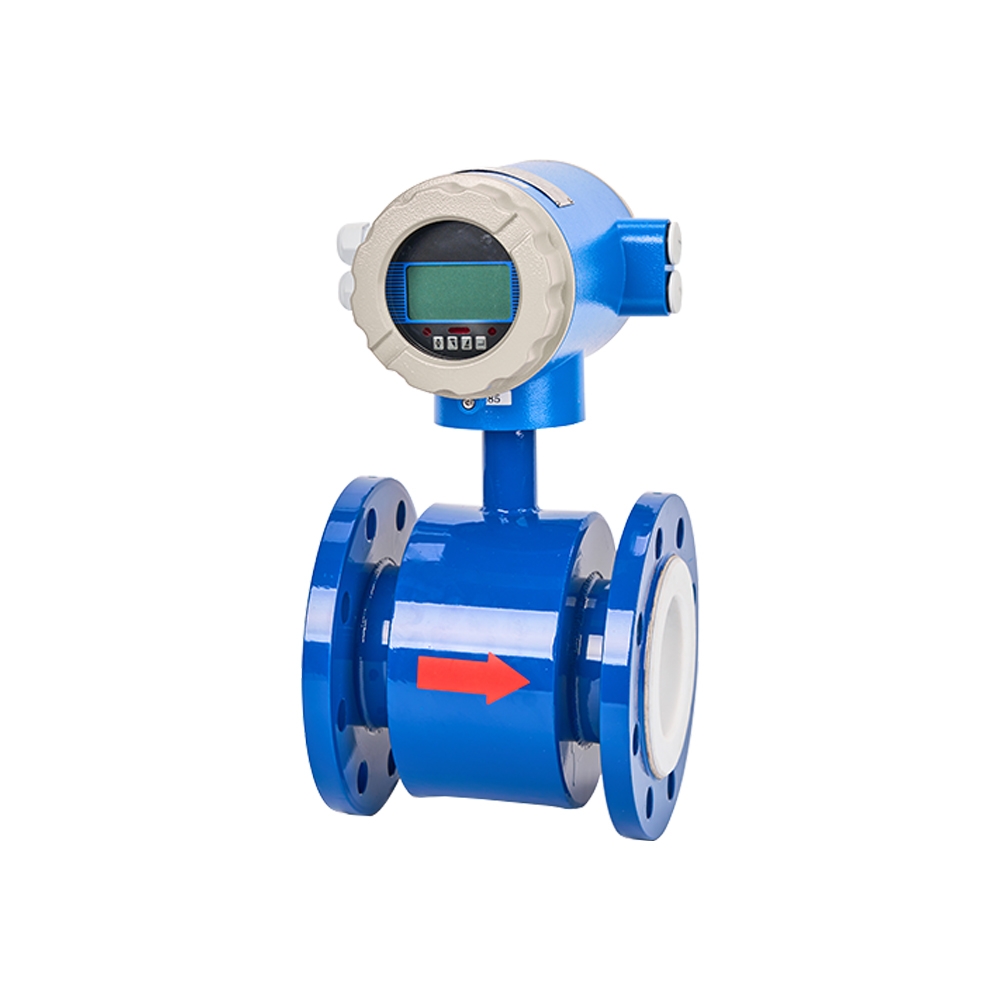
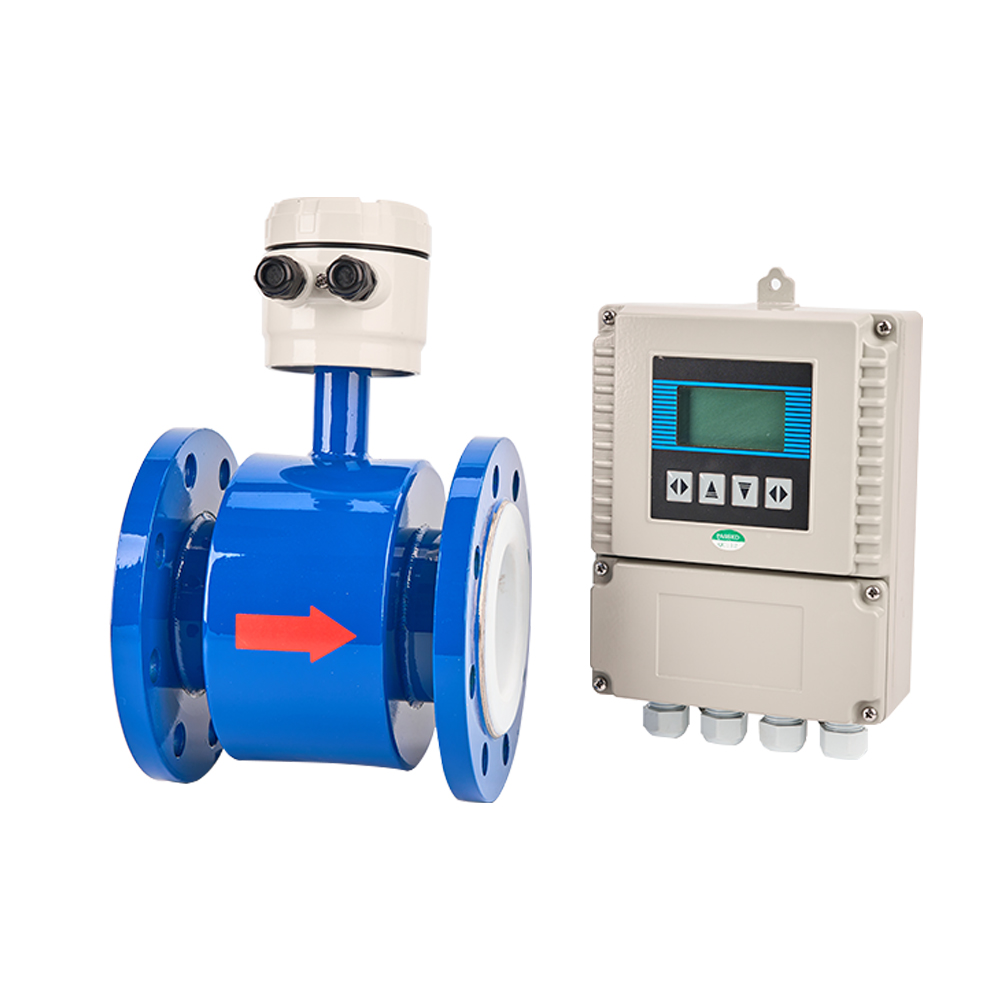
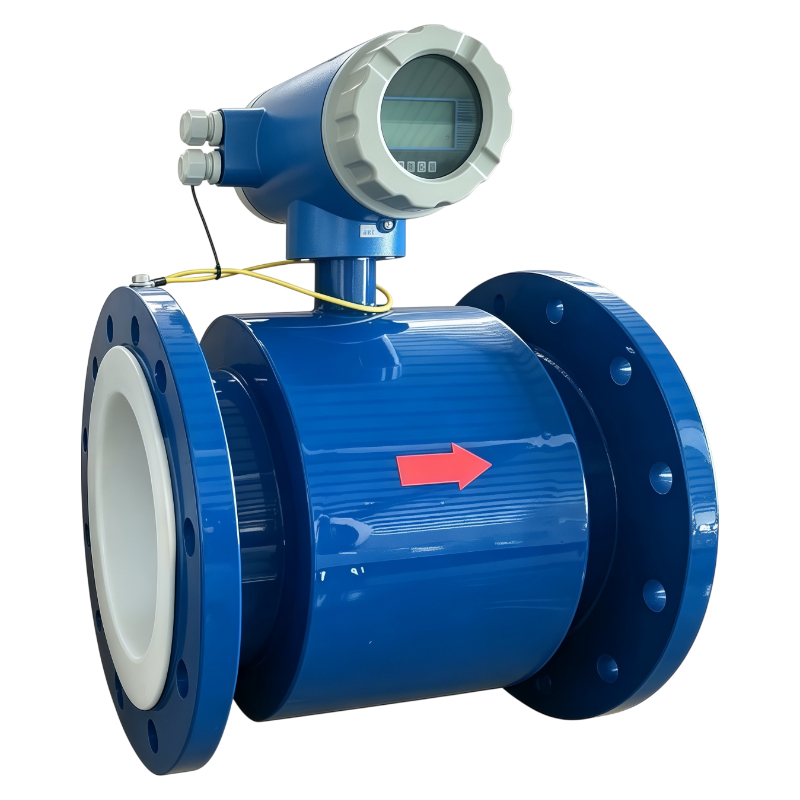
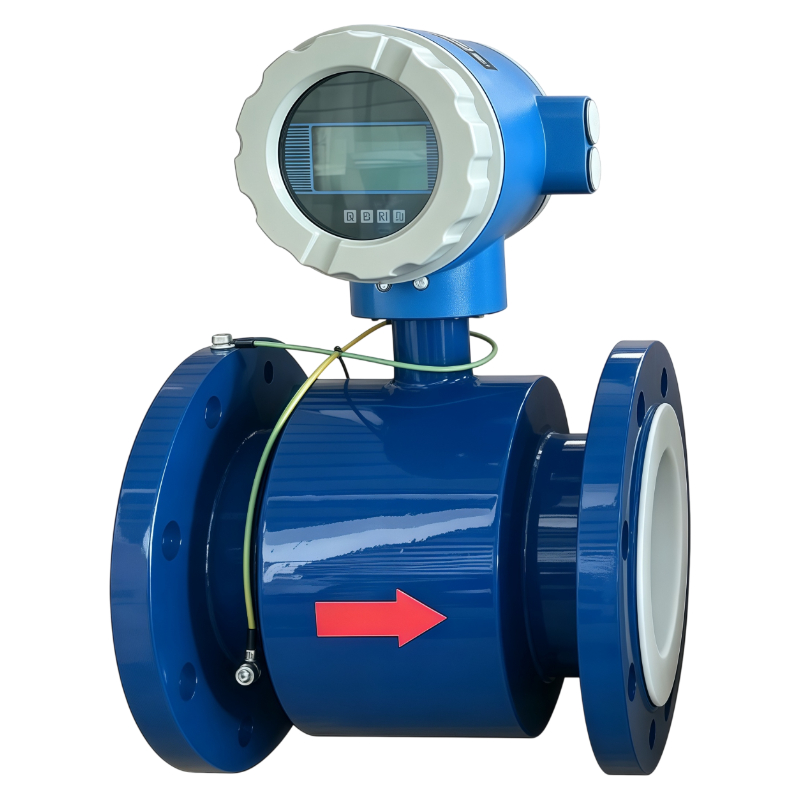
This intelligent electromagnetic flowmeter operates on Faraday's law of electromagnetic induction and measures the volumetric flow of conductive liquids. It has no internal moving parts and no pressure loss, uses low-frequency square-wave excitation, and offers stable measurement with accuracy of ±0.5% FS. It supports integral or split-type construction with an LCD backlight display showing instantaneous flow, cumulative flow and flow velocity; outputs include 4-20 mA and pulse signals, with optional RS485 Modbus and HART communication. The measuring tube is 304 stainless steel; lining options include rubber, PTFE and PFA; electrodes are 316L stainless steel as standard, with optional Hastelloy, titanium and tantalum electrodes. It features empty-pipe detection and fault self-diagnostics, with protection rating IP65. It is widely used for flow measurement of wastewater, tap water, chemical slurries and conductive acid/alkali media. Flange and clamp connections are supported, customization is available, and supply is stable.
Request a quotePlease provide your operating conditions, quantity and required connection or output.
Technical details
Specifications from source material
This intelligent electromagnetic flowmeter operates on Faraday's law of electromagnetic induction and measures the volumetric flow of conductive liquids. It has no internal moving parts and no pressure loss, uses low-frequency square-wave excitation, and offers stable measurement with accuracy of ±0.5% FS. It supports integral or split-type construction with an LCD backlight display showing instantaneous flow, cumulative flow and flow velocity; outputs include 4-20 mA and pulse signals, with optional RS485 Modbus and HART communication. The measuring tube is 304 stainless steel; lining options include rubber, PTFE and PFA; electrodes are 316L stainless steel as standard, with optional Hastelloy, titanium and tantalum electrodes. It features empty-pipe detection and fault self-diagnostics, with protection rating IP65. It is widely used for flow measurement of wastewater, tap water, chemical slurries and conductive acid/alkali media. Flange and clamp connections are supported, customization is available, and supply is stable.
- Color
- sensor body standard blue
- Weight
- varies by nominal diameter
- Composition
- 1
- Measuring tube
- 304 stainless steel, C ≤0.08, Si ≤1.00, Mn ≤2.00, P ≤0.045, S ≤0.03, Cr 18.0-20.0, Ni 8.0-11.0, Fe balance. 2
- Electrode (standard)
- 316L stainless steel, C ≤0.03, Si ≤1.00, Mn ≤2.00, P ≤0.045, S ≤0.03, Cr 16.0-18.0, Ni 10.0-14.0, Mo 2.0-3.0, Fe balance
- Optional electrodes
- Hastelloy, titanium, tantalum. 3
- Lining
- rubber (NR), PTFE polytetrafluoroethylene, PFA soluble polytetrafluoroethylene. 4
- Housing/transmitter housing
- aluminum alloy (coated). 5
- Seals
- NBR nitrile rubber / FKM fluororubber
- Measuring range
- 0.2 m/s to 15 m/s, continuously adjustable
- Signal output
- pulse output (up to 1000 Hz)
- Accuracy class
- 0.2
- Maximum permissible error
- ±1.0%
- Length
- customized
- Width
- customized
- Height
- customized
Full product details
Overview
The electromagnetic flowmeter measures flow based on Faraday's law of electromagnetic induction. Its advantages include minimal pressure loss and a wide measurable flow range. The ratio of maximum to minimum flow is generally 20:1 or greater, and it suits a broad range of industrial pipe diameters up to 3 m. The output signal is linear with the measured flow, and accuracy is relatively high. It can measure the flow of acid, alkali and salt solutions, water, wastewater, corrosive liquids, slurries, ore pulp and paper pulp with conductivity ≥5 μs/cm. It cannot measure the flow of gases, steam or pure water.
Operating Environment
1. When measuring mixed-phase fluids, select a location that will not cause phase separation; when measuring two-component liquids, avoid installation downstream of a point where mixing is not yet uniform; when measuring in chemical reaction pipelines, install in a section where the reaction is fully complete. 2. Avoid negative pressure inside the measuring tube wherever possible. 3. Select a location with low vibration, especially for integral-type instruments. 4. Avoid proximity to large motors, large transformers and similar equipment to prevent electromagnetic interference. 5. Select a location where the sensor can be grounded separately with ease. 6. Avoid surroundings with high concentrations of corrosive gases wherever possible. 7. Ambient temperature should be within -25 to 60 °C and relative humidity within 10% to 90%; avoid direct sunlight wherever possible. 8. The liquid must have the conductivity required for measurement, and the conductivity distribution should be broadly uniform. Therefore, install the flow sensor away from locations prone to uneven conductivity, for example near upstream points where chemicals are added; the dosing point is best located downstream of the sensor.
Technical Parameters
Measuring range: 0.2 m/s to 15 m/s, continuously adjustable. Signal output: pulse output (up to 1000 Hz); current output 4-20 mA. Accuracy class: 0.2. Maximum permissible error: ±1.0%.
Dimensions
Length: customized; Width: customized; Height: customized
Product Features
1. Measurement is unaffected by changes in fluid density, viscosity, temperature, pressure or conductivity. 2. The measuring tube has no obstructing flow components, no pressure loss, and low straight-pipe requirements. It offers unique adaptability to slurry measurement. 3. Reasonable selection of sensor lining and electrode materials provides good corrosion and wear resistance. 4. The converter uses a novel excitation method with low power consumption, stable zero point and high accuracy. The flow range ratio can reach 150:1. 5. The converter can form an integral or separate type with the sensor. 6. Measurement accuracy is unaffected by changes in fluid density, viscosity, temperature, pressure or conductivity; the sensor's induced voltage signal is linear with mean flow velocity, giving high measurement accuracy.
Excel product specifications
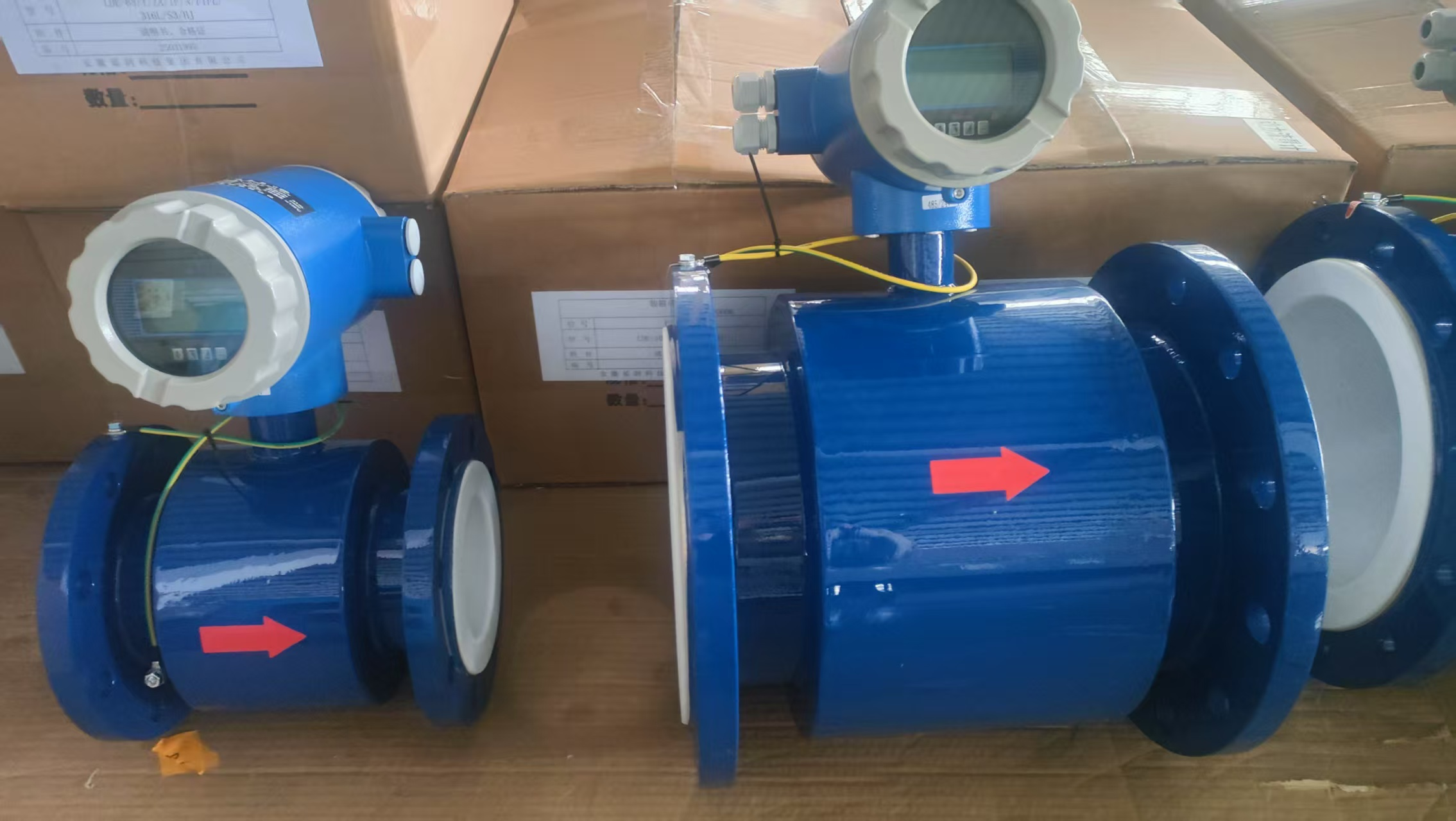
Color: sensor body standard blue; transmitter head in blue and white; split-type converter housing gray; stainless steel version body in natural silver. Weight: varies by nominal diameter. Composition: 1. Measuring tube: 304 stainless steel, C ≤0.08, Si ≤1.00, Mn ≤2.00, P ≤0.045, S ≤0.03, Cr 18.0-20.0, Ni 8.0-11.0, Fe balance. 2. Electrode (standard): 316L stainless steel, C ≤0.03, Si ≤1.00, Mn ≤2.00, P ≤0.045, S ≤0.03, Cr 16.0-18.0, Ni 10.0-14.0, Mo 2.0-3.0, Fe balance. Optional electrodes: Hastelloy, titanium, tantalum. 3. Lining: rubber (NR), PTFE polytetrafluoroethylene, PFA soluble polytetrafluoroethylene. 4. Housing/transmitter housing: aluminum alloy (coated). 5. Seals: NBR nitrile rubber / FKM fluororubber.