Instrumentation
Guided Wave Radar Level Meter
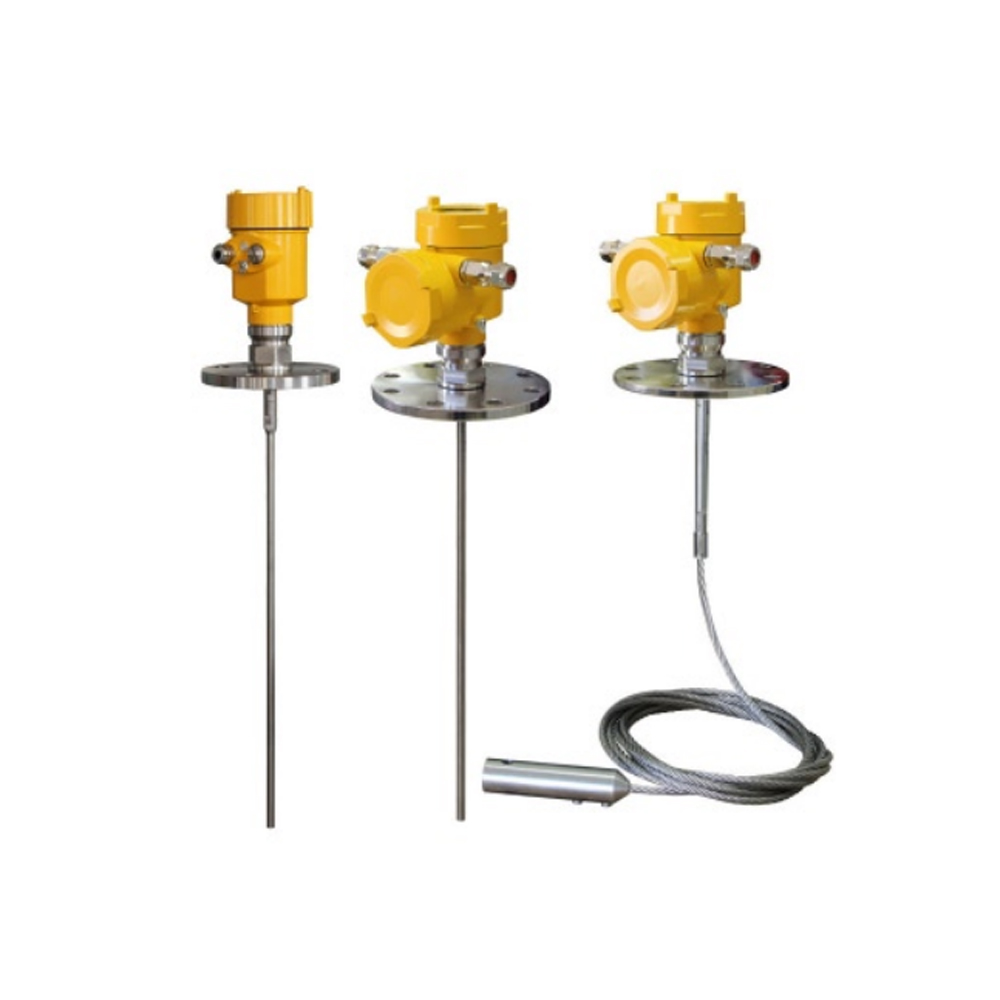
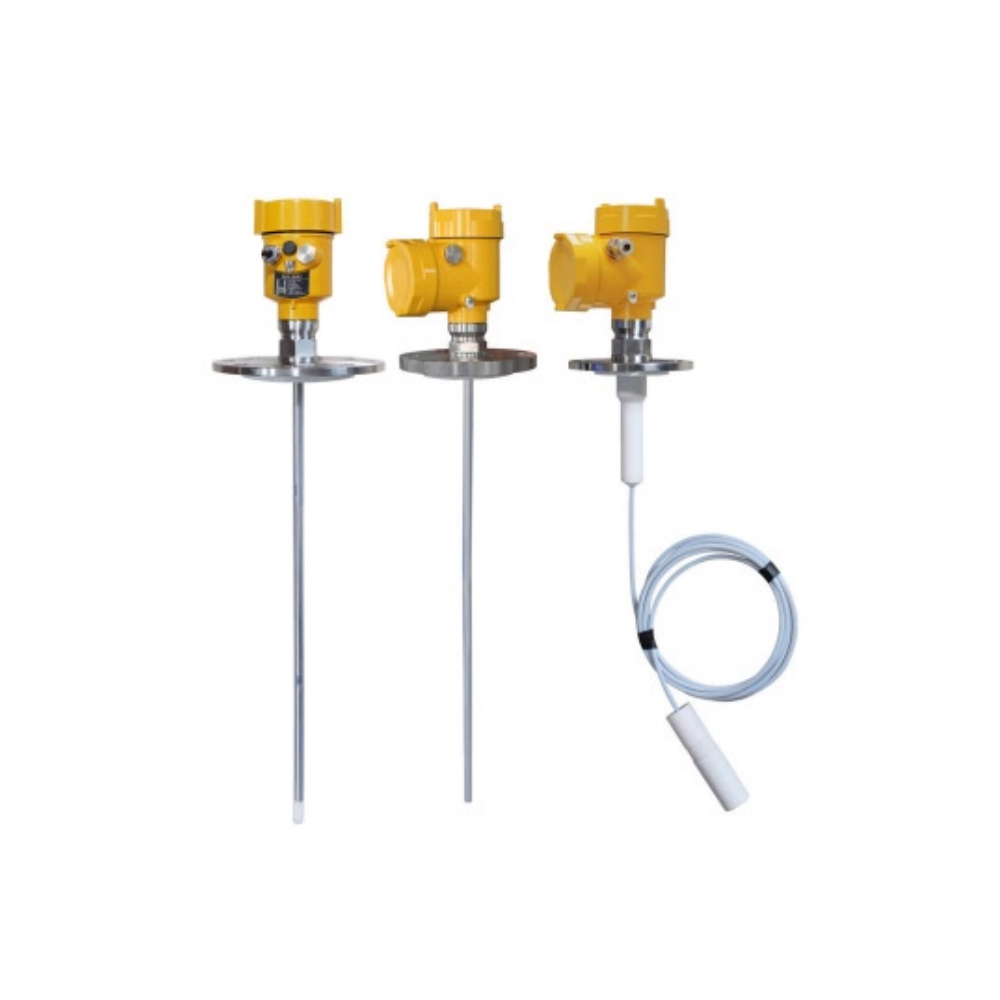
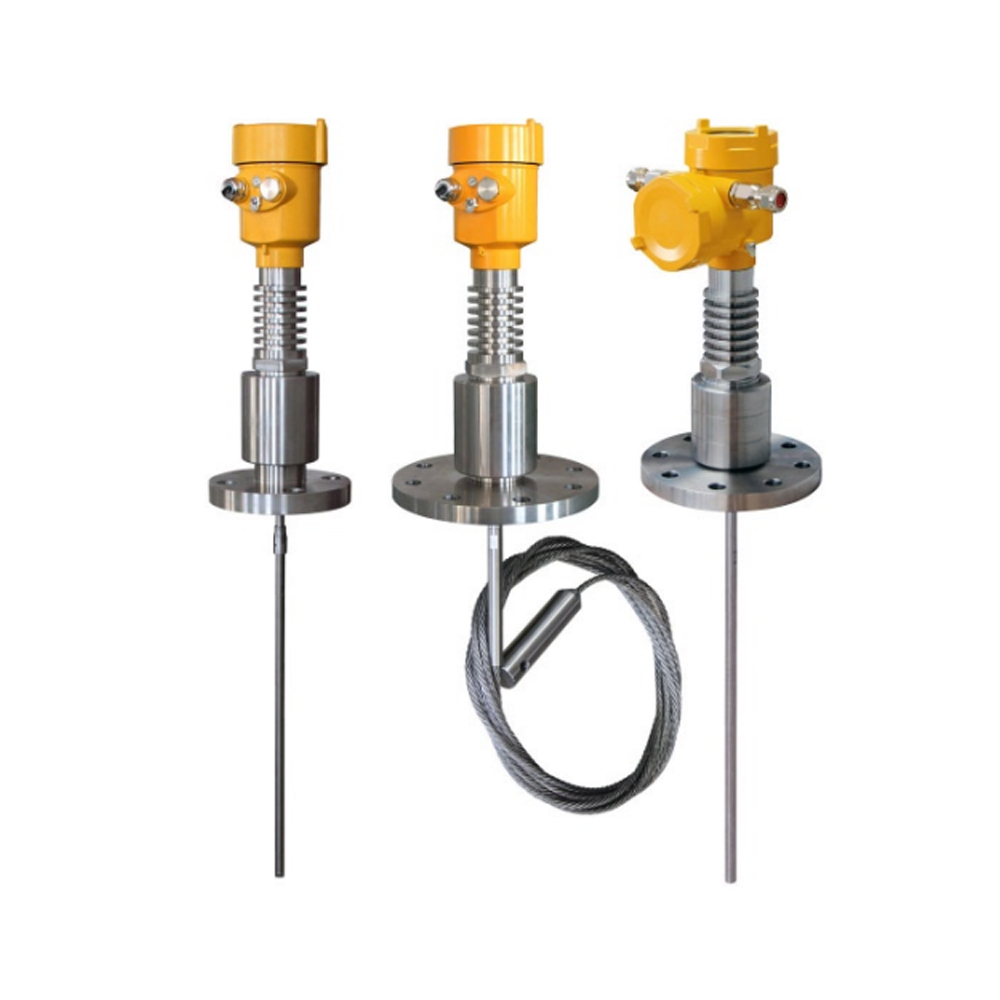
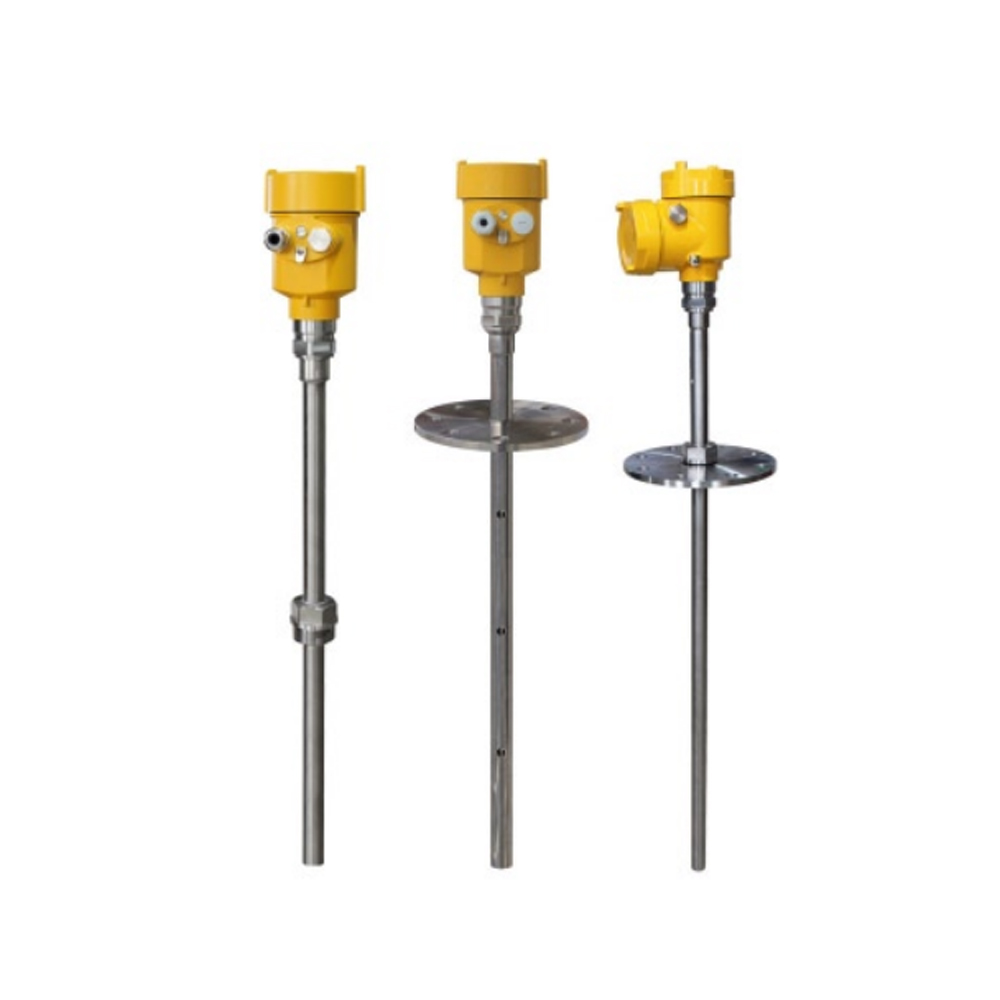
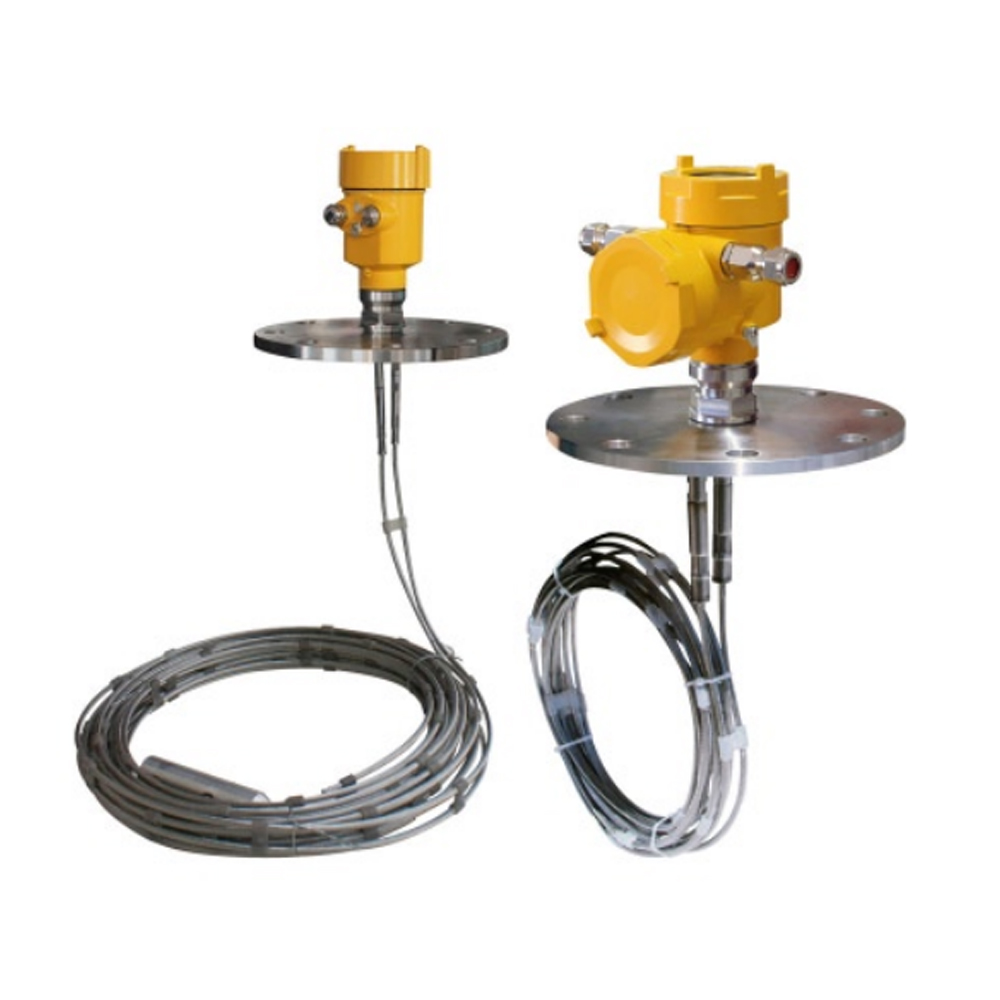
The guided wave radar level meter is a radar level meter based on the time-domain reflectometry (TDR) principle. The high-frequency microwave pulses emitted by the guided wave radar propagate along the probe (steel cable or steel rod); upon reaching the measured medium, a sudden change in dielectric constant causes reflection, and part of the pulse energy is reflected back. The time interval between the emitted pulse and the reflected pulse is proportional to the distance to the measured medium. Owing to the use of an advanced microprocessor and the distinctive choDiscovery echo processing technology, the guided wave radar level meter can be applied under various complex operating conditions. Multiple process connection methods and probe types make the HBRD70X series guided wave radar level meters suitable for various complex operating conditions and applications, such as high temperature, high pressure and media with low dielectric constant. Using a pulsed operating mode, the guided wave radar level meter has extremely low emission power and can be installed in various metal and non-metal vessels; it is harmless to people and the environment. H----measuring range, L----empty tank distance, B----top blind zone, E----minimum distance from probe to tank wall. *Note: Reliable measurement of the level in the tank can be ensured only when the material is between the top blind zone and the bottom blind zone.
Request a quotePlease provide your operating conditions, quantity and required connection or output.
Technical details
Specifications from source material
The guided wave radar level meter is a radar level meter based on the time-domain reflectometry (TDR) principle. The high-frequency microwave pulses emitted by the guided wave radar propagate along the probe (steel cable or steel rod); upon reaching the measured medium, a sudden change in dielectric constant causes reflection, and part of the pulse energy is reflected back. The time interval between the emitted pulse and the reflected pulse is proportional to the distance to the measured medium. Owing to the use of an advanced microprocessor and the distinctive choDiscovery echo processing technology, the guided wave radar level meter can be applied under various complex operating conditions. Multiple process connection methods and probe types make the HBRD70X series guided wave radar level meters suitable for various complex operating conditions and applications, such as high temperature, high pressure and media with low dielectric constant. Using a pulsed operating mode, the guided wave radar level meter has extremely low emission power and can be installed in various metal and non-metal vessels; it is harmless to people and the environment. H----measuring range, L----empty tank distance, B----top blind zone, E----minimum distance from probe to tank wall. *Note: Reliable measurement of the level in the tank can be ensured only when the material is between the top blind zone and the bottom blind zone.
- Power supply
- 24VDC (±10%), ripple voltage: 1Vpp
- Ambient conditions
- temperature -40℃ to +80℃
- Enclosure protection rating
- IP68
- Explosion-proof rating
- EXiaIICT6
- Cable entry
- 2 × M20×1.5 (cable diameter 5--9mm)
- Installation guide
- ensure that the cable or rod does not touch internal obstructions throughout the entire measuring range
- When installing the instrument, also note
- the highest material level must not enter the measurement blind zone
- Measuring range
- cable type 0-30m
- Sampling
- echo sampling 55 times/s. Response speed >0.2S (depending on specific conditions). Output current signal 4-20mA. Accuracy <0.1%. Communication interface HART communication protocol. Process pressure -1-40bar
Full product details
Overview
The guided wave radar level meter is a radar level meter based on the time-domain reflectometry (TDR) principle. The high-frequency microwave pulses emitted by the guided wave radar propagate along the probe (steel cable or steel rod); upon reaching the measured medium, a sudden change in dielectric constant causes reflection, and part of the pulse energy is reflected back. The time interval between the emitted pulse and the reflected pulse is proportional to the distance to the measured medium. Owing to the use of an advanced microprocessor and the distinctive choDiscovery echo processing technology, the guided wave radar level meter can be applied under various complex operating conditions. Multiple process connection methods and probe types make the HBRD70X series guided wave radar level meters suitable for various complex operating conditions and applications, such as high temperature, high pressure and media with low dielectric constant. Using a pulsed operating mode, the guided wave radar level meter has extremely low emission power and can be installed in various metal and non-metal vessels; it is harmless to people and the environment. H----measuring range, L----empty tank distance, B----top blind zone, E----minimum distance from probe to tank wall. *Note: Reliable measurement of the level in the tank can be ensured only when the material is between the top blind zone and the bottom blind zone.
Operating Environment
Power supply: 24VDC (±10%), ripple voltage: 1Vpp. Ambient conditions: temperature -40℃ to +80℃. Enclosure protection rating: IP68. Explosion-proof rating: EXiaIICT6. Cable entry: 2 × M20×1.5 (cable diameter 5--9mm). Installation guide: ensure that the cable or rod does not touch internal obstructions throughout the entire measuring range; therefore, during installation, avoid tank internals such as ladders, limit switches, heating equipment and supports as far as possible. Also note that the cable or rod must not intersect the feed stream. When installing the instrument, also note: the highest material level must not enter the measurement blind zone; the instrument must maintain a certain distance from the tank wall; install the instrument so that the direction of the cable or rod is as perpendicular as possible to the surface of the measured medium. Instruments installed in explosion-proof areas must comply with national installation regulations for explosion-proof hazardous areas. The intrinsically safe housing is aluminum. When an intrinsically safe instrument housing is installed in locations with explosion-proof requirements, the instrument must be grounded.
Technical Parameters
Measuring range: cable type 0-30m; rod type and coaxial type 0-6m. Repeatability ±3mm. Resolution 1mm. Sampling: echo sampling 55 times/s. Response speed >0.2S (depending on specific conditions). Output current signal 4-20mA. Accuracy <0.1%. Communication interface HART communication protocol. Process pressure -1-40bar.
Dimensions
Length Customized Width Customized Height Customized
Product Features
1. High versatility: can measure liquid level and material level, and can meet measurement requirements for different temperatures, pressures and media; the maximum measuring temperature can reach 800℃ and the maximum pressure can reach 5MPa; suitable for harsh occasions such as corrosion and impact. 2. Anti-coating: the distinctive circuit design and sensor structure allow measurement unaffected by sensor coating, with no need for regular cleaning and avoiding erroneous measurement. 3. Maintenance-free: no moving parts in the measurement process, so there is no problem of mechanical part damage and no maintenance is required. 4. Anti-interference: contact measurement with strong anti-interference capability, able to overcome the influence of steam, foam and stirring on measurement. 5. Accurate and reliable: diverse measurement quantities make measurement more accurate; measurement is unaffected by environmental changes, with high stability and long service life.