
Instrumentation
Pressure Transmitter
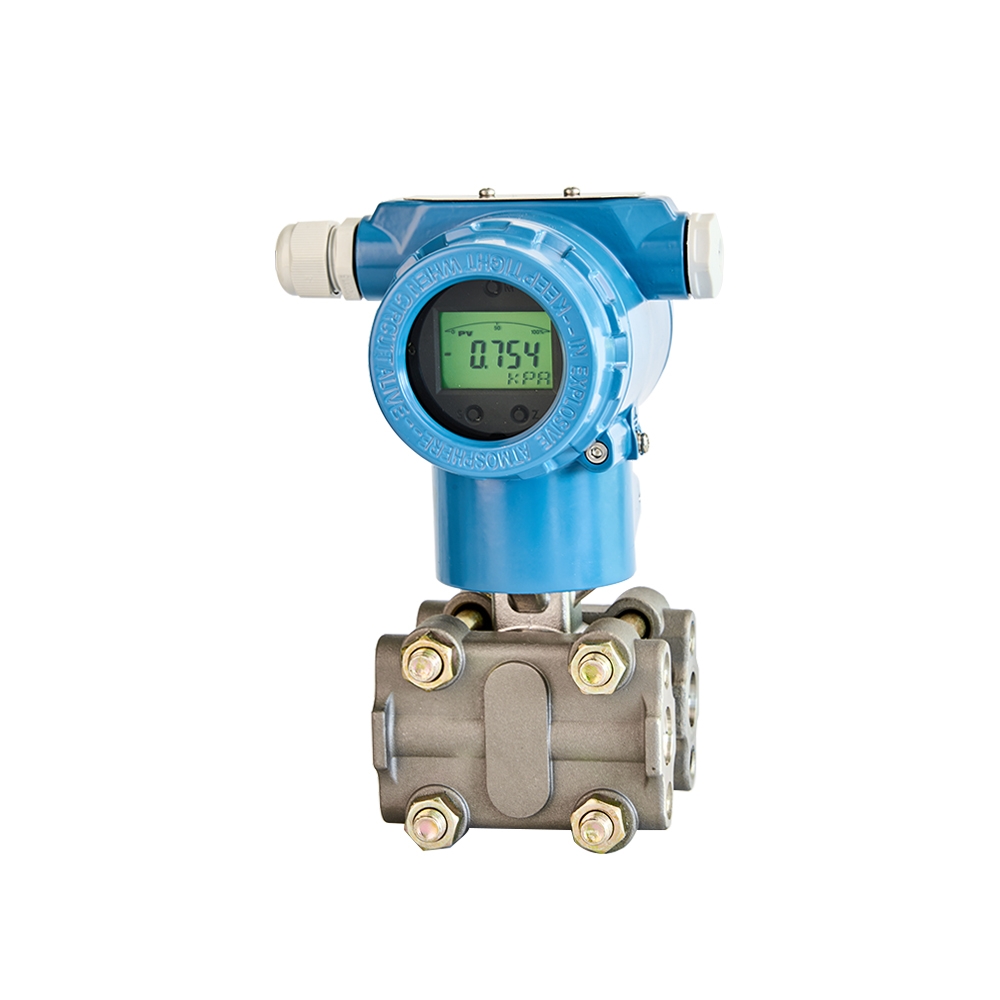
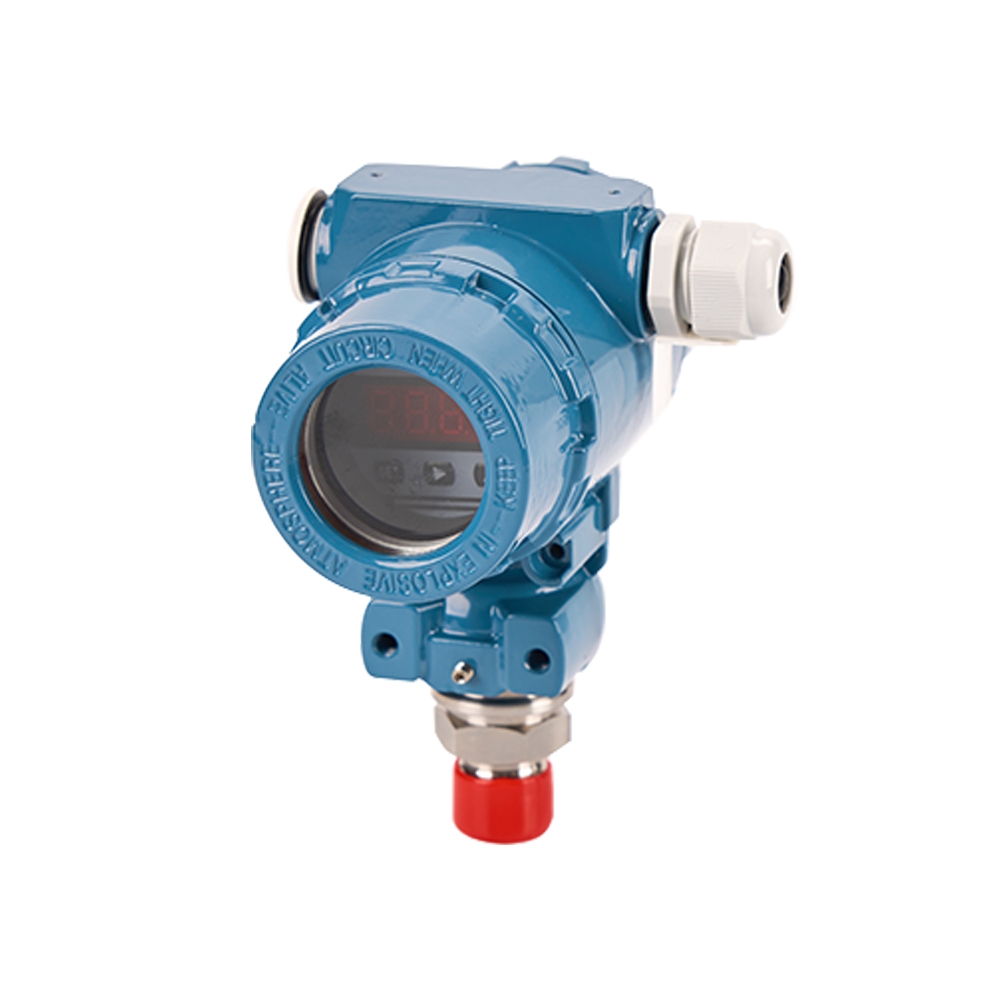
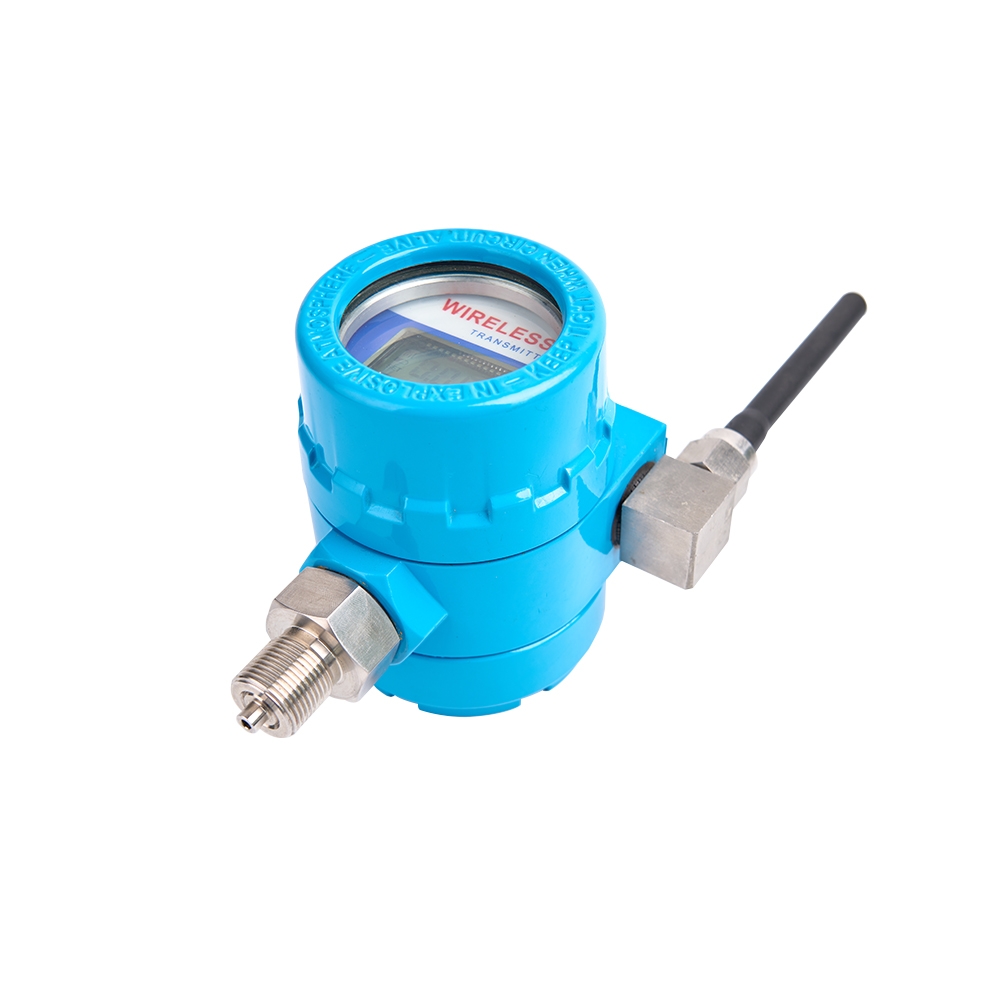
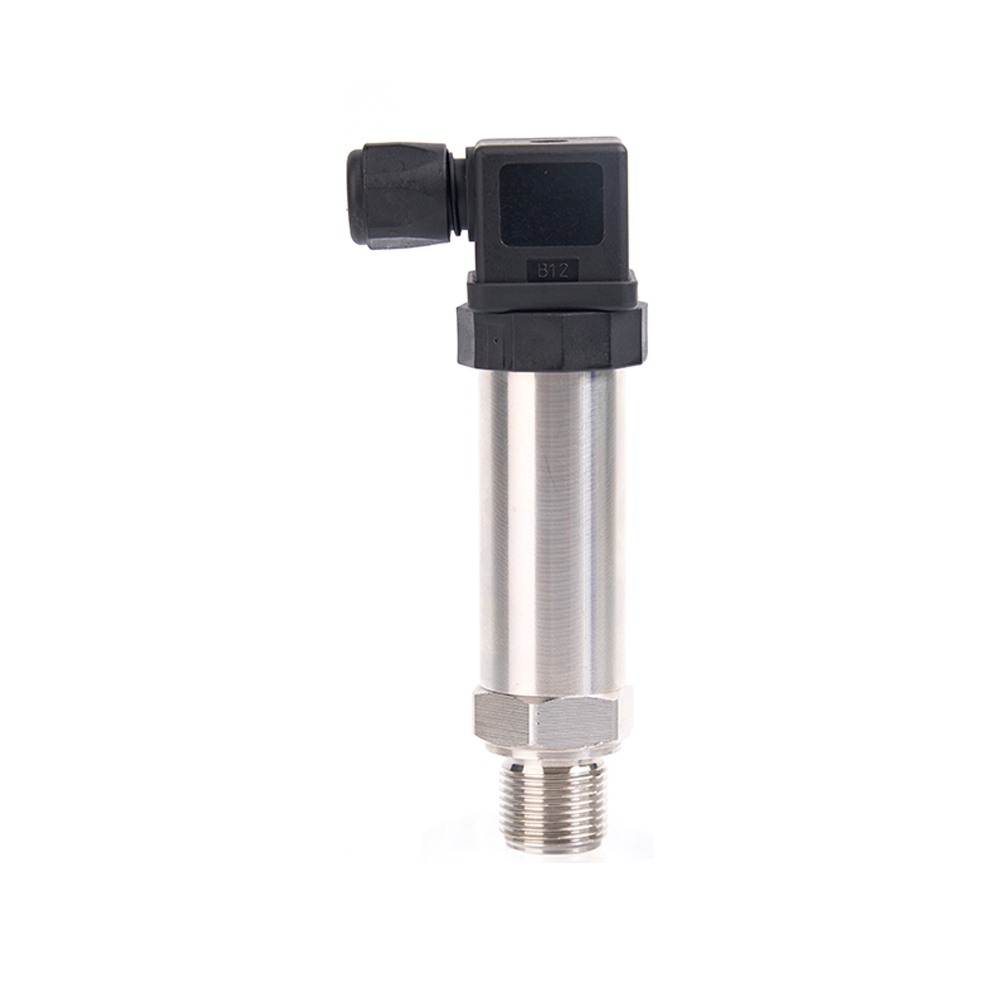
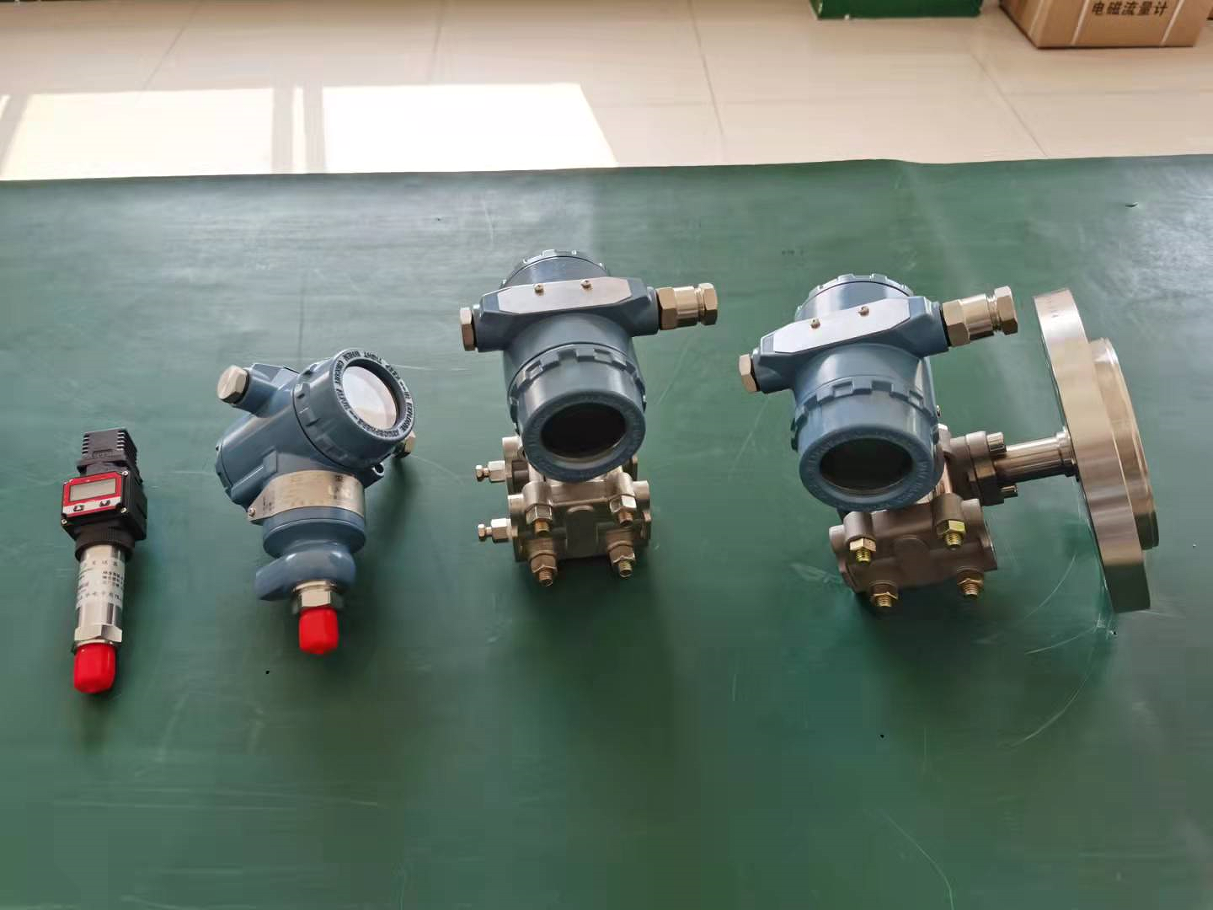
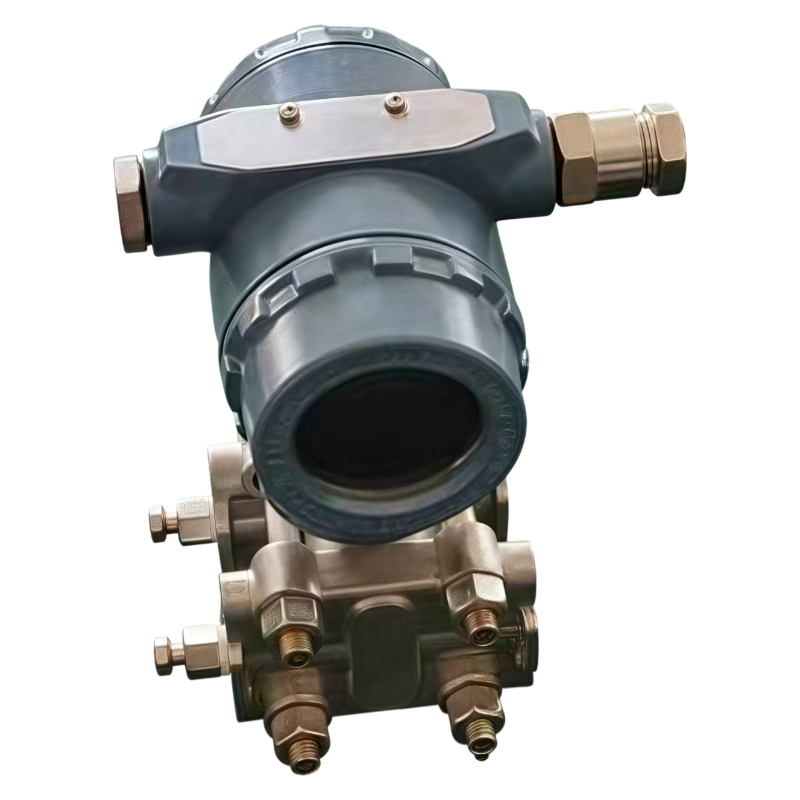
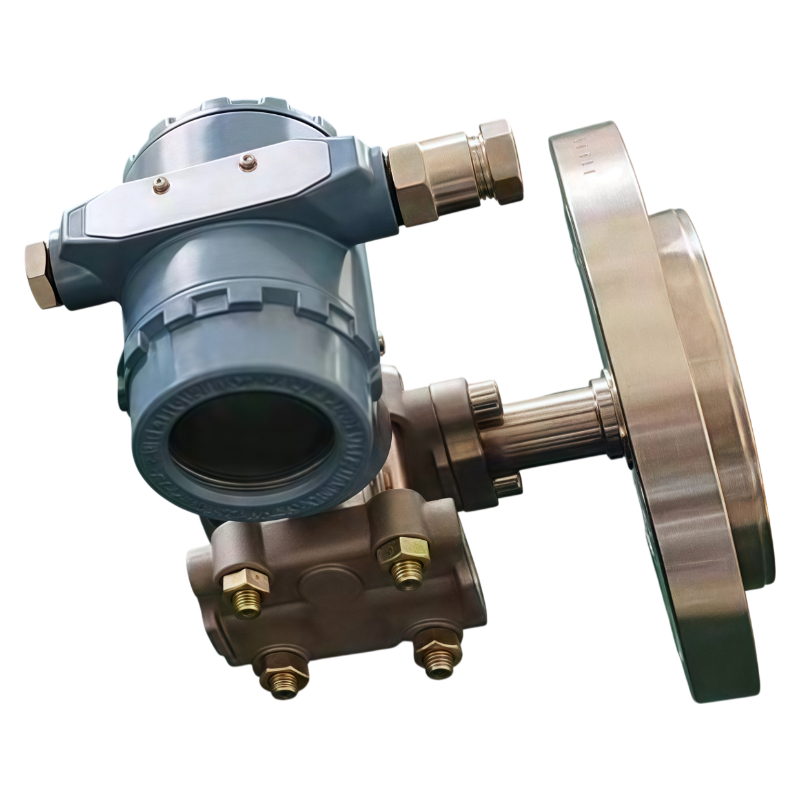
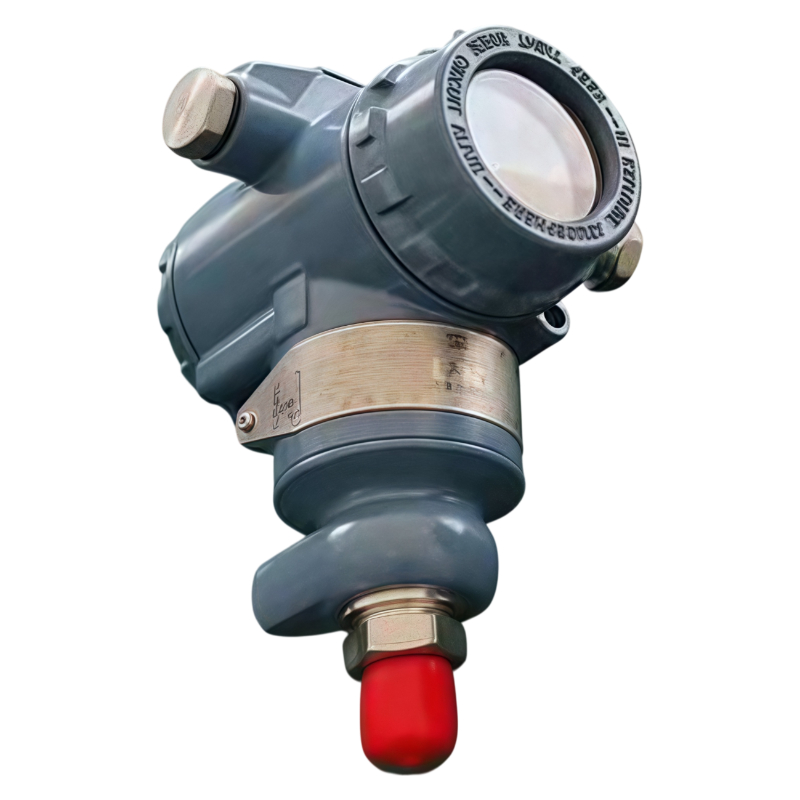
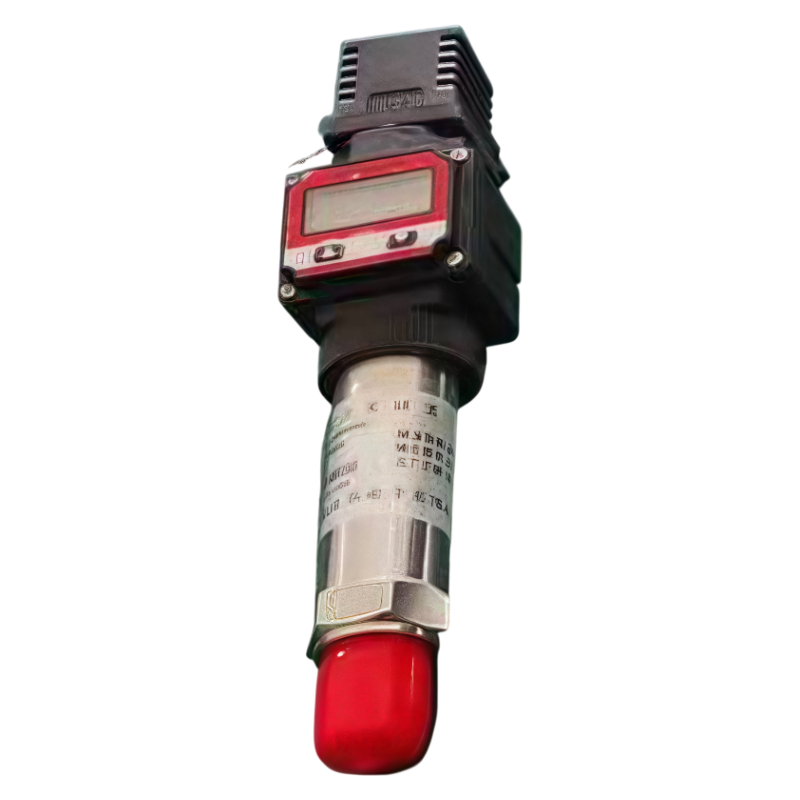
This pressure transmitter uses a diffused silicon or monocrystalline silicon sensing core and can measure gauge pressure and absolute pressure of gas and liquid media. Range is selectable, accuracy is 0.075% FS, powered by two-wire 24VDC, with standard 4-20mA output and optional RS485/Modbus and HART protocols. The diaphragm and housing are made of 304 stainless steel, with temperature compensation, overload resistance and vibration resistance, protection rating IP65, stable signal and strong anti-interference for long-distance transmission. Widely used for pressure monitoring in water supply, oil and gas, chemical, HVAC and hydraulic equipment, and used with PLC and DCS systems. Custom pressure ports, ranges and display heads are supported; customization is supported, with stable supply and reliable quality
Request a quotePlease provide your operating conditions, quantity and required connection or output.
Technical details
Specifications from source material
This pressure transmitter uses a diffused silicon or monocrystalline silicon sensing core and can measure gauge pressure and absolute pressure of gas and liquid media. Range is selectable, accuracy is 0.075% FS, powered by two-wire 24VDC, with standard 4-20mA output and optional RS485/Modbus and HART protocols. The diaphragm and housing are made of 304 stainless steel, with temperature compensation, overload resistance and vibration resistance, protection rating IP65, stable signal and strong anti-interference for long-distance transmission. Widely used for pressure monitoring in water supply, oil and gas, chemical, HVAC and hydraulic equipment, and used with PLC and DCS systems. Custom pressure ports, ranges and display heads are supported; customization is supported, with stable supply and reliable quality
- Output signal
- 0~10mA, (4~20)mA DC current or (1~5)V DC voltage
- Power supply
- 24V DC or 220V AC
- Frequency
- 50 Hz
- Ambient temperature
- -10~55°C
Full product details
Overview
Pressure transmitters can be classified by different conversion principles into force (torque) balance, capacitive, inductive, strain gauge and frequency types. The main function of a pressure transmitter is to transmit a pressure signal to electronic equipment so that pressure is displayed on a computer. Its principle is roughly as follows: the mechanical signal of pressure, such as water pressure, is converted into an electronic signal such as current (4-20mA); the pressure and the voltage or current magnitude are in a linear relationship, generally a proportional relationship. The electrical component that senses pressure in a pressure transmitter is generally a resistance strain gauge, a sensitive device that converts pressure on the measured part into an electrical signal. The most widely used resistance strain gauges are metal resistance strain gauges and semiconductor strain gauges. Metal resistance strain gauges include wire strain gauges and metal foil strain gauges. Usually the strain gauge is tightly bonded with a special adhesive to a substrate that generates mechanical strain; when the substrate is stressed and its stress changes, the resistance strain gauge deforms together, changing the resistance of the strain gauge and thereby changing the voltage applied across the resistor.
Operating Environment
1. The pressure transmitter has an operating temperature of -10 to 80 degrees Celsius. At high temperatures, heat dissipation tube equipment is used for heat dissipation. 2. The operating environment for precision measurement is also under study; 0.5%F.S is widely used among maximum values, and 0.25%F.S is a typical value, making the measurement medium better. 3. The measurement medium of the pressure transmitter varies with the medium being measured; if the measurement medium is corrosive, materials compatible with the measurement medium must be selected or special process treatment performed to ensure the transmitter is not damaged. 4. The range pressure generally has 1.5 times the overload capacity; secondary timing is not used, and the received output signal is considered. 5. According to the customer's interface dimensions, customize and install suitable dimensional requirements.
Technical Parameters
Output signal: 0~10mA, (4~20)mA DC current or (1~5)V DC voltage; Power supply: 24V DC or 220V AC; Frequency: 50 Hz; Ambient temperature: -10~55°C
Product Features
1. Wide range of measured media; can measure oil, water and pasty substances compatible with 316 stainless steel and 304 stainless steel, with certain corrosion resistance; 2. High accuracy and high stability; imported original sensors are used, with good linearity and high temperature stability; 3. Small size, light weight, convenient installation, commissioning and use; 4. Fully enclosed stainless steel housing, good water resistance; 5. The pressure sensor directly senses the measured liquid level pressure and is not affected by foaming or deposition of the medium. 6. 4-20mA DC two-wire signal transmission, strong anti-interference capability and long transmission distance; 7. Three types of indicator heads: LED, LCD and pointer, making on-site reading very convenient. Can be used to measure viscous, crystallizing and corrosive media
Excel product specifications
Body silver (natural stainless steel color), connector black Digital display housing version: blue (standard) Weight: not fixed Composition: 1. Housing / pressure port: 304 stainless steel C≤0.08, Si≤1.00, Mn≤2.00, P≤0.045, S≤0.03, Cr18.0~20.0, Ni8.0~11.0, Fe balance 2. Isolation diaphragm: 316L stainless steel C≤0.03, Si≤1.00, Mn≤2.00, P≤0.045, S≤0.03, Cr16.0~18.0, Ni10.0~14.0, Mo2.0~3.0, Fe balance